

Articulate Localization Conclusion
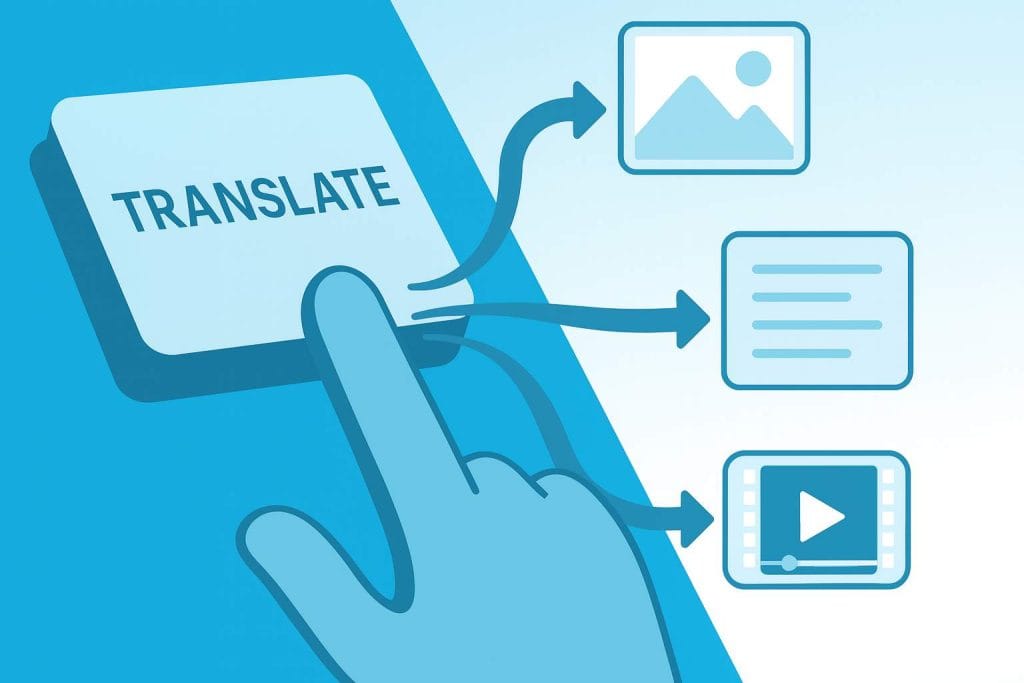
Articulate Localization can be a real accelerator, but only if you treat it for what it is: an integrated starting point for machine translation plus review loop. It is not a substitute for localization, QA, and technical rework.
Articulate Localization Costs
At first glance, Articulate Localization’s pricing seems pleasantly simple: one credit per language, done. In practice, however, the crucial question is a different one: where does the ROI really come from, and where do the traditional costs remain (review, terminology, media, layout)?
Articulate Localization Glossary
At Articulate Localization, translation is often a quick task. The real question is: will the course sound like a unified whole or like a patchwork quilt?
Consistency is not a luxury, especially when it comes to training content:
• Learners stumble over changing terms
• Brand messages appear unprofessional
• Legal or security-related terms can become ambiguous
Articulate Localization: MT vs. Review. Where quality is created.
Machine translation in Articulate Localization is fast. Often impressively fast.
The only problem is that speed does not equal approval.
When it comes to training content, it’s not “translated words” that matter, but consistency, terminology, tone, and context that determine whether learners really understand the course. And whether nothing goes live that looks unprofessional or, in the worst case, triggers queries, support efforts, or damage to your image.
ARTICULATE LOCALIZATION ONE-CLICK
“One click, and the course is translated.”
When rolling out training content in multiple languages, this sounds like the perfect shortcut. That’s exactly why we tested Articulate Localization in practice: What actually happens when you click, and what work does it trigger?
ARTICULATE LOCALIZATION
Articulate Localization promises “one-click”: click, select language, done. In practice, this mainly results in a rough draft. In this article, we show what is translated automatically, where media and interactions are left out, and what review and QA steps are necessary to make the course truly release-ready.
Articulate Localization: Technical Limits
Articulate Localization can translate text quickly by machine. That is useful.
But the “one-click magic” ends exactly where e-learnings live in reality: Media, interactions, layout and updates.
Is Your Website Truly Accessible? – 3 + 1 Free Checks

Is your website truly accessible? You can test it in just 15 minutes—with free tools, keyboard shortcuts, and a reality check using a screen reader. Our guide shows you the most common stumbling blocks and how to fix them yourself.
Automatic Captions Risk 2025 – Auto-UT vs. Professional UT

Automatic subtitles sound convenient, but they contain up to 15% errors. In our 45-second split screen, you can see how automatic captions distort names and numbers—and how verified subtitles become BFSG-compliant.
BFSG Finale – What Really Matters on June 28, 2025

BFSG subtitling requirement 2025: From June 28, videos must be accessible. Find out why automatic subtitles are not enough – and how professional, semantically segmented subtitles boost compliance, reach, and ROI.